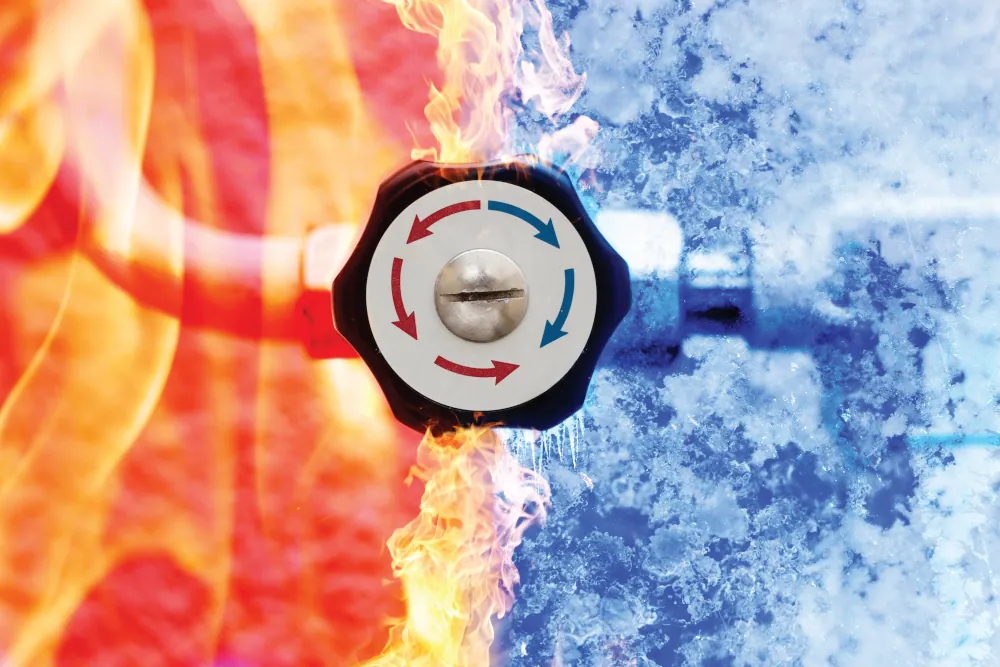
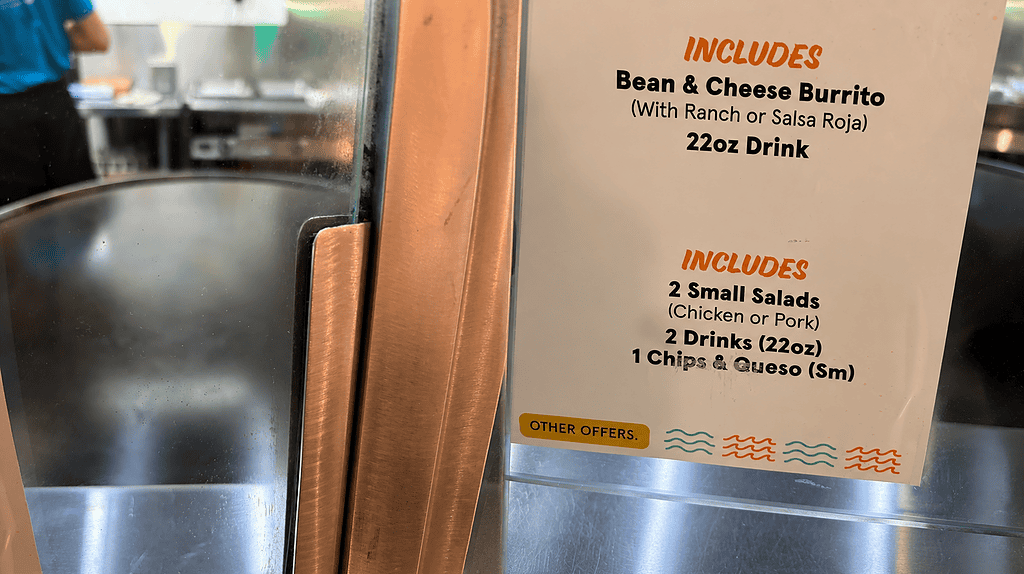
Summer heat in the Southwest is no joke. Anyone who installs graphics in places like Arizona, Nevada, or West Texas knows that when surface temperatures climb, adhesives start to behave erratically. Performance in hot environments, like guards in front of ovens in fast food locations, can challenge a standard adhesive. Add in the growing number of low surface energy materials used in today’s retail, commercial, and industrial environments, now you have a perfect storm for print and graphic installation providers trying to prevent failures in the field.
For smaller shops or end users who lack the time or budget for reprints or callbacks, selecting the right film becomes a financial and operational priority. This is especially true when selecting films for hot environments, where extreme heat is the norm.

The Challenge of Heat in Wide Format Applications
High heat affects adhesives at every stage of a project. As temperatures rise, tack increases. When using pressure-sensitive film, heat causes the film/ media to adhere without the need for extra pressure. This process is called pre-adhesion.
For printers and installers, handling is more challenging under these conditions, leading to stretching and warping. Repositioning the graphic may be impossible because excess heat will cause it to adhere before it can be properly positioned in place.
What to Look For in a Film that Performs Best in Extreme Heat
The right solution starts with the adhesive. When you need films for hot environments that also function as LSE compatible films, look for features like:
- Outdoor durability suited for hot climates
- Heat-resistant adhesive chemistry that does not become too soft or overly aggressive in high temperatures
- Dimensional stability so the film does not stretch or distort during application
- Good initial tack with a full, confident bond once set
- High tack LSE adhesive that bonds to difficult surfaces yet stays manageable during install
- Compatibility with textured or molded plastics and other LSE materials
When a film checks these boxes, you can walk into an installation knowing you have the right combination of heat resistance, adhesion, and low-energy bonding.
Why Choosing the Right Film Protects Your Bottom Line
Material decisions can be made based solely on price, but when heat and LSE surfaces are involved, the real cost comes later. A failed installation means reprinting graphics, paying labor to return to the site, losing time spent on new work, and risking customer trust.
Selecting the right films for hot environments that are also LSE compatible is one of the easiest ways to protect your profitability. These films deliver predictable performance with fewer surprises, which helps you quote confidently, install without stress, and avoid the financial burden of rework.
Why X-Treme Vinyl and X-Treme Air are Equipped to Handle These Surfaces
When you have a challenging surface, X-Treme and X-Treme Air stick. Both have a proprietary removable adhesive. It’s not just a simple, high tack removable (HTR) adhesive found on standard films. This proprietary adhesive is high performance to handle efficient printing and installation in extreme hot and cold temperatures. X-Treme and X-Treme Air offer the peace of mind and performance required for commercial and industrial applications.
Read our post that gets into the details on X-Treme vinyl so you have the information you need to make the right material choice.
Materials matter with hot environments, hot temperatures, and low surface energy surfaces, some of the toughest challenges in wide-format installations. These surfaces demand a film engineered for performance. By understanding how heat affects adhesives and why LSE materials reject standard products, printers and end users can make smarter decisions.
The right film gives you long-lasting adhesion, clean results, and fewer callbacks. That means your graphics stay put, your customers stay happy, and your business stays profitable.
Learn more about new X-Treme Air!
Related News
Perforated Window Film: A Spec Guide for Print Providers
Today’s In-Plant Print Shops
A Guide to Exterior Graphic Media for Walls, Sidewalks, and Building Entrances