A Guide to Exterior Graphic Media for Walls, Sidewalks, and Building Entrances
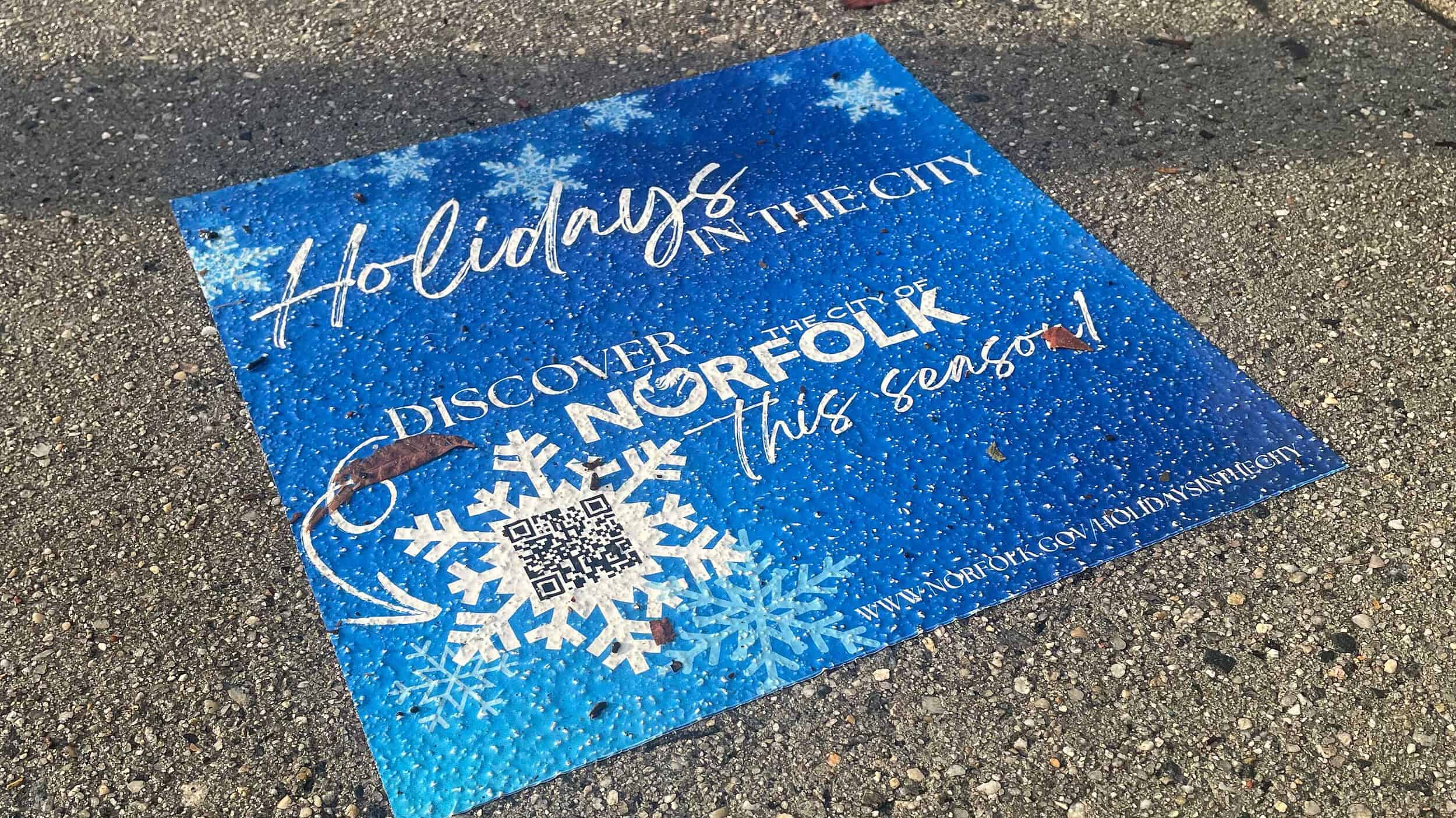
Eye catching brand experiences and graphics transform exterior blank walls, sidewalks, plazas, and building entrances. But unlike graphics installed indoors, exterior applications face exposure to weather, heavy foot traffic, and difficult surfaces. Whether you’re ready to install a branded wall mural or wayfinding ground graphics for an event, success of the application starts with choosing the right media.
Avoid headaches like premature failure or difficult removal by understanding the environment and surface first.
Exterior Conditions Demand Specialized Media
Outdoor graphics are exposed to conditions that don’t exist for indoor applications. Heat and cool cycles, moisture, UV rays, and physical wear are factors that must be taken into consideration. Intense UV exposure can cause fading and degrade the adhesive. Moisture from rain, snow, and even sprinkler systems can cause excess and standing moisture. Dirt and contaminates affect the graphic from pedestrian and vehicle traffic and the environment. Temperature swings create expansion and contraction of building surfaces and windows. Choosing a media designed specifically for exterior applications is essential.
Why Surface Texture Matters
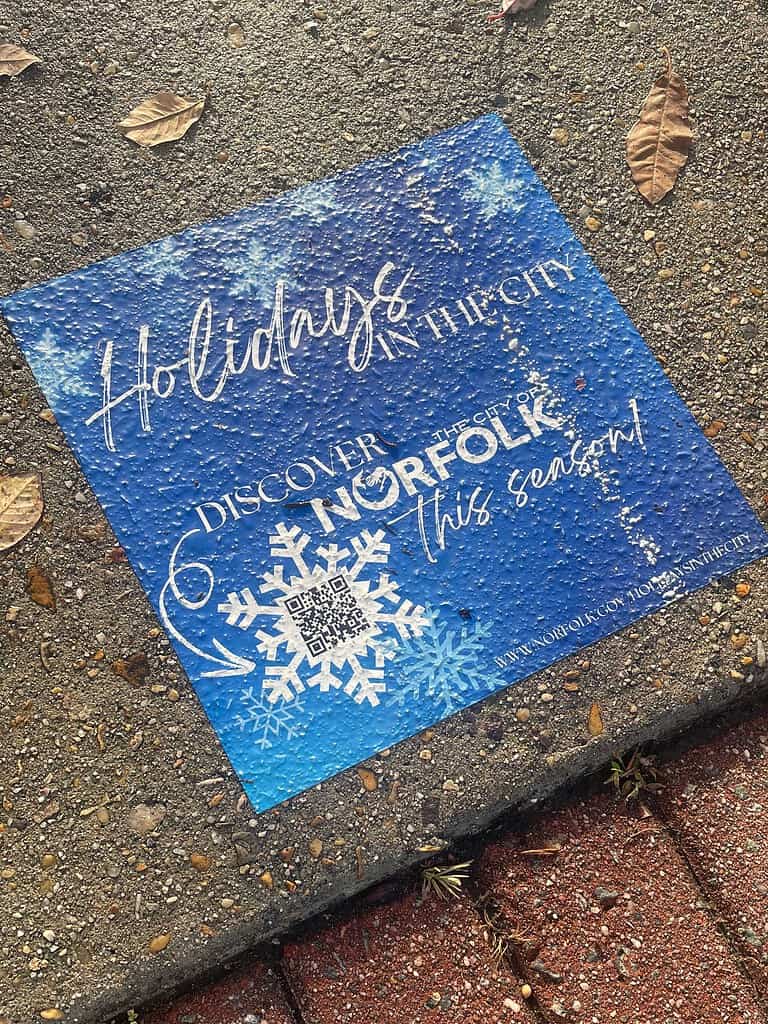
While installing graphics on smooth surfaces is straightforward, textured concrete, brick, stucco, and other building materials pose an entirely different challenge. Textured surfaces reduce the amount of surface area the adhesive can contact. Instead of bonding to a continuous flat surface, the adhesive must flow into peaks, valleys, and irregularities to connect with and wet out properly. The rougher the surface, the more demanding your installation becomes. Textured exterior surfaces require a film that is engineered to conform while providing the adhesion needed for the life of the application.
Five Factors to Consider Before Choosing a Film
While every project is different, there are some key performance characteristics that can help guide your material selection.
Surface Compatibility
Not all adhesives and films perform on all surfaces. Be sure to identify the surface or substrate on which you’ll be installing the final graphic. Film media designed for smooth surfaces may not be suitable for textured surfaces like concrete. When texture is a factor, look for solutions engineered specifically for the surface. Whether you’re installing on rough surfaces, masonry, low energy surface substrates, or textured architectural finishes, choose a media designed for the intended substrate dramatically improves performance.
Conformability
The film chosen should conform to the texture, not bridge over it. Conformable films are engineered to adhere onto the uneven surface during installation and maintain its shape over time. If the media bridges over the uneven surface, air pockets can remain and increase the risk of lifting and failure of the graphic.
Adhesive Performance
Adhesive performance often determines whether an installation is a success or failure. The goal isn’t simply aggressive adhesion. The goal is consistent adhesion throughout the campaign. When choosing an exterior film for ground graphics, look for solutions designed specifically for the outdoors. These solutions will deliver a strong initial tack, reliable bond, and resistance to weather for a successful campaign.
Safety and Slip Resistance
Safety is one of the most critical components of a floor or ground graphic. Protect pedestrian foot traffic with non-slip certified medias. Whether you’re installing a graphic at a retail entrance, stadium, event venue, school, transit station, or the town sidewalk, protect visitors and your customer’s brand with certified slip resistant graphic materials.
Durability and The Length of Time of Installation
While not every graphic needs to last years, always consider how long the graphic needs to stay in place. Seasonal promotions may only be in place a short time but they need to look good the entire time. Long term wayfinding graphics have a longer life. Areas with heavy foot traffic need to be considered. Durability is a critical factor when choosing any wall and floor graphic. Choose a media that balances performance and cost.
Removal at the End of the Campaign
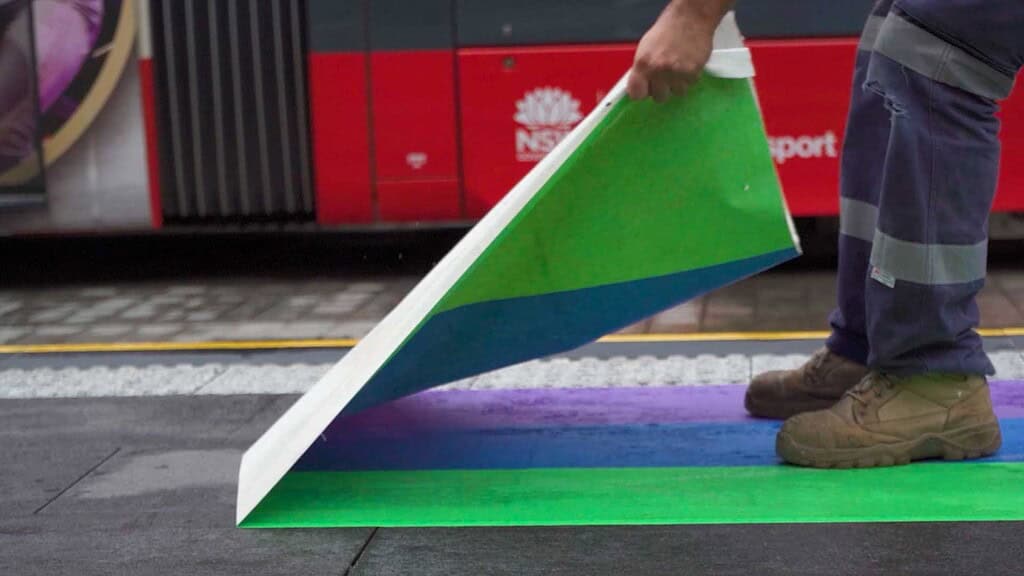
All graphics are removed at some point. No matter how long they need to last, taking removability into consideration at the beginning of the project is vital. Even temporary campaigns can be a challenge to remove if you don’t choose the right media. Whether a removable or permanent adhesive fits your campaign needs, understanding whether removal is a priority and the removal process can save you a lot of headaches later on.
Success Starts with the Right Media
Successful exterior graphic installations start long before the installer arrives on site. Choosing media and materials matched to the surface, environment, and durability of the application will result in a more successful result. You’ll face fewer callbacks, fewer installation challenges, and gain confidence that the finished graphics will stay bold and processional throughout the campaign.
No matter if you’re the print provider, installer, or brand owner, selecting the right media isn’t just about choosing a film. It’s about choosing a solution engineered for the challenges the graphic will face every day.
Related News
Perforated Window Film: A Spec Guide for Print Providers
Today’s In-Plant Print Shops
Get Professional-Looking Retail Graphics Without Professional Installers