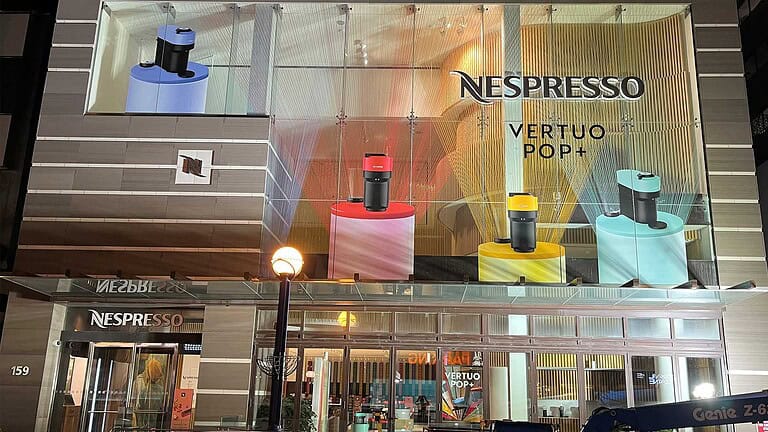
Materials Matter: Overcoming Low Surface Energy and Cold Weather Challenges in Wide Format Graphics
Success in wide format graphics depends on more than great design and print quality. It comes down to the material too and selecting the right film for the surface and environment. Two surfaces that pose the biggest challenge are low surface energy (LSE) substrates and cold weather installations. Both can compromise adhesion, performance, and the overall outcome of the project.
Sticking Challenges of Low Surface Energy Substrates
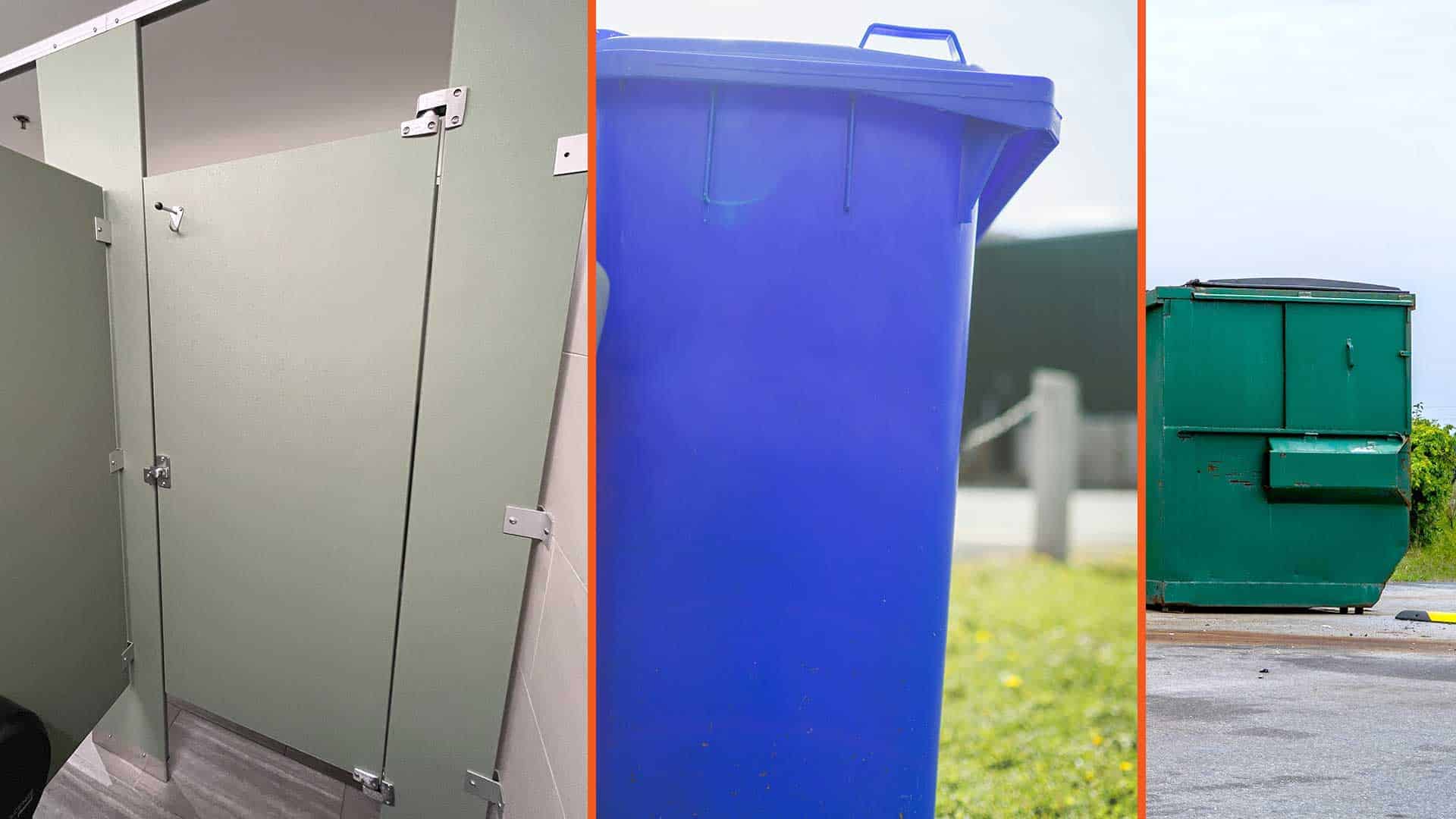
Low surface energy materials like polypropylene, polyethylene, powder-coated metals, MDF, or certain plastics used in windows, walls, and floors compromise adhesion. Instead of grabbing onto the surface, the adhesive sits on top, leading to edge lifting, peeling, or even complete failure.
Common LSE surfaces found in large format graphic applications include plastic substrates like HDPE, LDPE, and acrylic panels, powder coated and textured surfaces, polypropylene or polyethylene containers and displays, and low surface energy wall coating and laminates.
Choosing a film solution with an adhesive that is engineered specifically for low surface energy materials or labeled as high-tack materials can make these applications successful. Adhesives engineered for these applications have greater initial grab and improved flow or wet out characteristics that allow them to anchor to these surfaces, smooth or textured LSE surfaces. The adhesives often feature unique formulations that can better conform to the surface and create a long-term bond.
Tip: We recommend testing material on any surface or application before committing to a full installation. Especially when working with low surface energy materials, unknown, or mixed substrates, apply a small sample of the chosen film and evaluate adhesion over 24-48 hours to confirm the film solution is compatible with your project surface.
Cold Weather Challenges
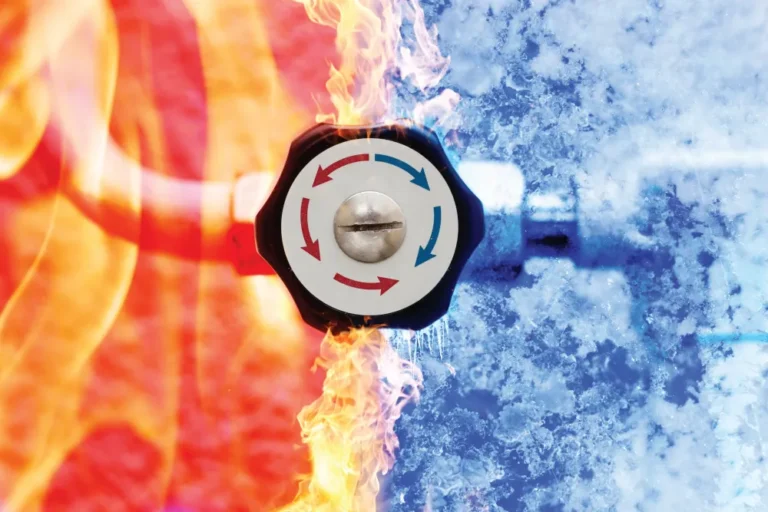
Temperature of the environment and the surface plays a critical role in adhesive performance. Standard pressure sensitive adhesives stiffen and lose their ability to adhere to a surface in temperatures lower than +50°F (10°C). This means the adhesive cannot form full contact with the surface, resulting in poor adhesion, air bubbles that don’t go away, or lifting once the temperature fluctuates.
In addition to the adhesive performance, a cold surface can also trap moisture or condensation that creates a barrier between the adhesive and the substrate. This makes attention to the surface temperature just as important as air temperature to ensure it is within the product’s recommended range of installation temperature.
Cold weather compatible film solutions for windows, walls, and floors have specially engineered adhesives designed to stay flexible and tack even in freezing or near-freezing temperatures. This allows installers to work in unheated spaces, outdoor environments, or transitional seasons when temperatures drop but projects can’t wait or you want to enhance the sustainability of your installation business.
When Low Surface Energy Meets Cold Temperatures
Sometimes a double whammy is thrown your way, an LSE surface in a cold environment. When the challenge gets even tougher, success depends on both preparation and adhesive performance. Here are some tips for success in low surface energy substrates with cold temperatures.
- Seek out film solutions engineered for both low surface energy substrates and cold temperatures.
- Warm the area and the surface to a higher temperature to meet the film temperature guidelines. This could be warming the surface safely with an indirect heat source like a heat gun or portable heater. It could require you to enclose the area for a brief time to bring the temperature of the area up to the proper temperature level.
- Store films at the installation temperature or above freezing for as long as possible prior to installation.
- Avoid stretching the film which can weaken the bond as the temperature fluctuates.
Choose the Right Film Solution the First Time
Selecting a film solution that meets the requirements of your application prevents costly rework and ensures the performance meets your customers’ expectations. Leading film manufacturers, like Continental Grafix, offer solutions engineered to perform with low surface energy substrates and low temperatures. These solutions are engineered to bond where standard films fail.
When you think of film solutions that work for low surface energy substrates, you don’t think of the adhesive as being removable. Many times, high tack adhesives used for LSE surfaces are permanent. But not every project can use a permanent adhesive. Look for proven materials with removable adhesive that will stick. You may need to test different solutions but there are reliable solutions out there.
Working with experienced companies and representatives in the large format graphic industry allows you to have confidence in evaluating the right film for your application. Your installers can confidently take on additional business opportunities, from branding a textured wall in a cold warehouse to installing floor graphics in a busy retail space during winter, knowing the film will stay in place.
Not all films are created equal. When you’re working with low surface energy materials or cold environments, success starts with the right film technology. It’s not just about sticking, it’s staying stuck in real-world conditions, so your project performance is a success and meets or exceeds your customers’ expectations.
Have a challenging surface that you need graphics to stick to? Get in touch with our experts!
You may also like...
X-Treme
Related News
Choosing the Right Material Matters for Residue-Free Removal
Why Printers and Installers Should Care About Dimensional Stability

Ultra Removable Window Graphics for Retail, Events, and Glass Surfaces